
Turning your baking hobby into a business and preparing for your first paid order is an exciting step, but it can also lead to overspending on equipment you don’t yet need. Starting a home baking business in Australia doesn’t automatically mean investing in a fully equipped commercial kitchen. It means choosing tools that suit what you plan to sell, working efficiently and understanding the food safety requirements that apply to your business.
Knowing what to buy now and what can wait helps protect your startup budget while preparing for real customer orders. Whether you’re making custom fondant cakes, batches of cookies and biscuits, or individual pastries, the right equipment can help you achieve more consistent results and organise production more efficiently. This practical home bakery equipment checklist will help you prioritise essentials, plan sensible upgrades and prepare your kitchen with confidence.
Home Bakery Equipment Checklist: What Do You Actually Need?
Starting a home baking business does not mean purchasing every tool in the catalogue. A smarter approach is to build your toolkit around your menu, your available kitchen space and the orders you expect to handle. To protect your startup budget, divide your equipment purchases into three stages: what you need for your first orders, what can improve efficiency as demand grows and what can wait until your business needs it.
Use this quick-reference checklist to plan your purchases:
| Purchase Stage | Equipment to Consider |
|---|---|
| Stage 1: Essential — First Orders | A reliable oven; a suitable hand or stand mixer where needed; digital kitchen scales; mixing bowls and utensils; appropriate baking tins, trays or moulds; food-safe storage; cleaning supplies; and suitable packaging. |
| Stage 2: Upgrade — Growing Orders | Extra mixer bowls and attachments; additional baking trays and cooling racks; multi-cavity dessert moulds; coordinated cutter and veiner sets; and equipment that improves your particular production workflow. |
| Stage 3: Buy Later — Specialist Needs | Edible image printers, airbrush equipment, commercial dough sheeters, specialist decorating tools and highly specific moulds that are not yet needed for your regular menu. |
Important: These stages are a starting point, not a fixed shopping list. A tool that is optional for one home bakery may be essential for another. Prioritise equipment according to what you plan to sell, your production volume and the food safety requirements that apply to your business.
Essential Equipment for Your First Orders
When you’re just starting, your priorities are consistent results, reliable preparation and safe food handling. You need tools that help you deliver the quality customers expect without spending your initial budget on equipment you may rarely use.
Your essential toolkit will depend on your menu. A custom cake business may need dependable cake tins, a turntable and decorating scrapers, while a biscuit business will place greater importance on suitable cutters, baking trays and cooling racks. If detailed sugar flowers are part of your signature offering, specialised flower cutters and veiners may be an essential investment from the beginning.
Start with accurate measuring equipment, suitable mixing tools, dependable baking equipment and appropriate food storage. Make sure you also have the cleaning, temperature-control and packaging supplies needed for your products, and confirm the relevant food business requirements before trading.
The goal is simple: purchase what helps you prepare and deliver your current menu to a professional standard, rather than buying equipment for products you might offer someday.
Useful Upgrades as Your Business Grows
As orders become more regular, the way you organise production becomes increasingly important. The most valuable upgrades are those that address a real limitation in your workflow, whether that’s preparation time, available capacity or maintaining consistent presentation across multiple orders.
For example, an additional mixer bowl can reduce interruptions between recipes and make it easier to prepare several components during a busy baking session. Extra baking trays and cooling racks can also help when managing consecutive batches.
For businesses specialising in individual desserts, multi-cavity moulds can help create coordinated portions and simplify repeated preparation. Similarly, well-matched cutter and veiner sets support consistent floral decorations, particularly when producing multiple sugar flowers for celebration cakes and larger orders.
The right upgrades should make your working process more practical and organised. Focus on tools that support the products customers are already ordering, rather than investing in equipment simply because it looks professional.
Equipment You Can Buy Later
It is easy to be tempted by highly specialised baking equipment, particularly when you are planning to grow your business. Airbrush kits, edible image printers, commercial dough sheeters and specialist moulds all have valuable applications, but they are not automatically essential for a new home bakery.
Before investing, consider whether the tool supports an established product on your menu, how frequently you expect to use it and whether your current equipment can achieve the result customers need.
For example, a custom embossing stamp may be essential from day one if personalised biscuits are your main product. For a business focused on classic cakes, the same purchase could reasonably wait.
You do not need every professional baking tool to deliver professional-quality products. Start with a reliable foundation, invest in specialist equipment where it creates genuine value and expand your collection as your menu and customer demand develop.
Essential Baking Equipment for a Home Business
The transition from baking for family to fulfilling orders for paying customers requires equipment that can handle regular use and deliver dependable results. Before investing in highly specialised decorating tools, make sure your core kitchen setup supports the products you plan to sell.
Well-chosen foundational equipment can improve efficiency, help maintain consistent quality and make the day-to-day demands of running a home baking business easier to manage.

Ovens, Mixers and Digital Scales
Consistency is essential when customers expect the same quality every time they order. Achieving repeatable results starts with accurate measurement. A reliable digital kitchen scale allows you to weigh ingredients in grams rather than relying solely on volume-based cup measurements, helping you maintain consistent recipes across different batches.
For mixing, the right equipment depends on your menu and production volume. A dependable hand mixer may be sufficient for small batches of cake batter and lighter mixtures, while a suitably rated stand mixer can make preparing larger quantities of buttercream, dough and other mixtures more manageable. Consider the mixer’s capacity and the types of ingredients you regularly work with rather than choosing based on power alone.
Your oven is equally important. An existing domestic oven may be suitable for your business if it performs reliably, offers adequate capacity and meets the requirements relevant to your operation. An oven thermometer helps you check temperature accuracy, while testing how evenly your oven bakes across different tray positions can reveal areas that need extra attention. Understanding your equipment helps you maintain more consistent results and avoid unnecessary ingredient waste.
Baking Tins, Trays and Everyday Utensils
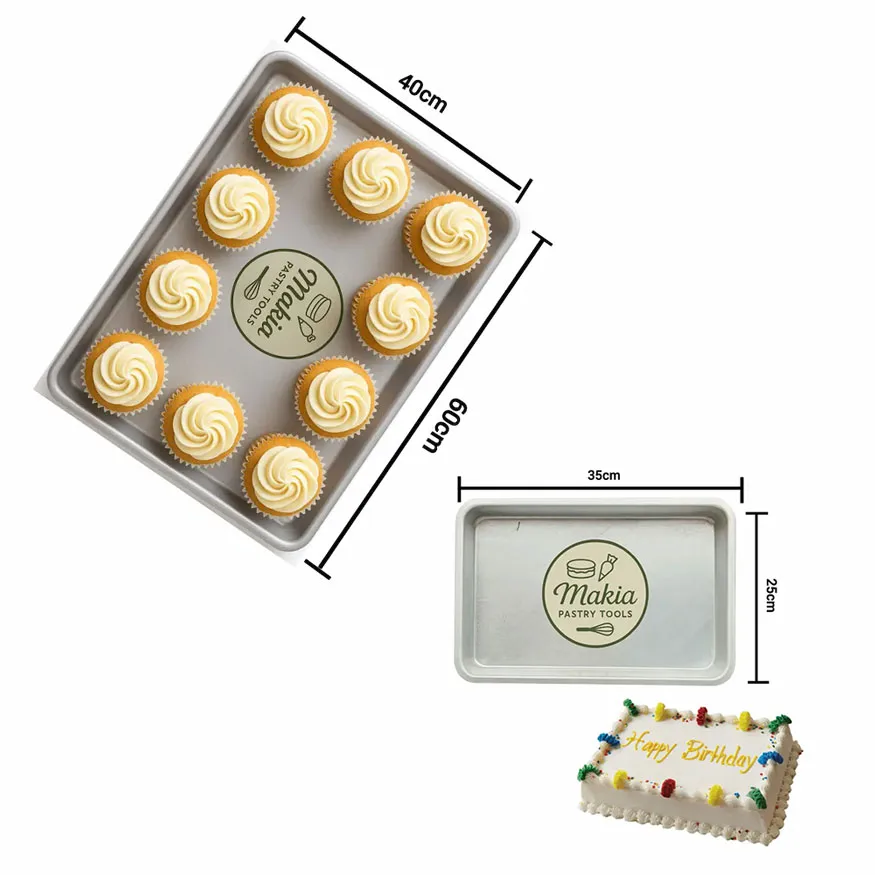
When preparing products for customers, reliable bakeware makes a noticeable difference. Thin, poorly constructed baking trays can warp under high heat, while unsuitable pan sizes or materials may affect browning and baking consistency.
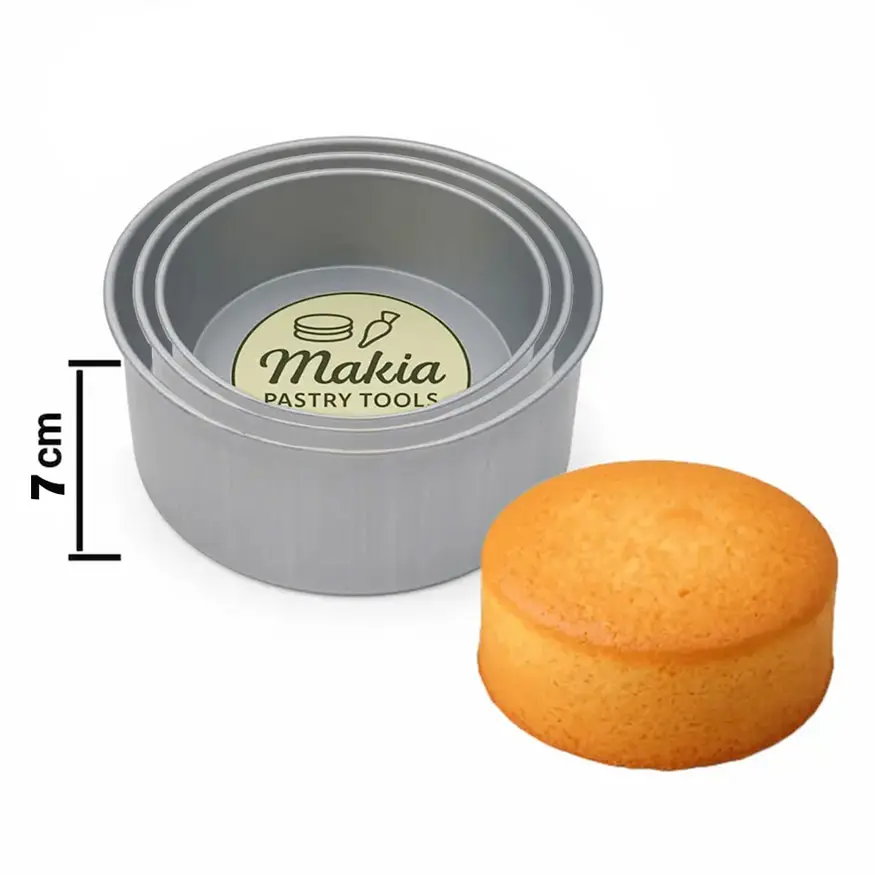
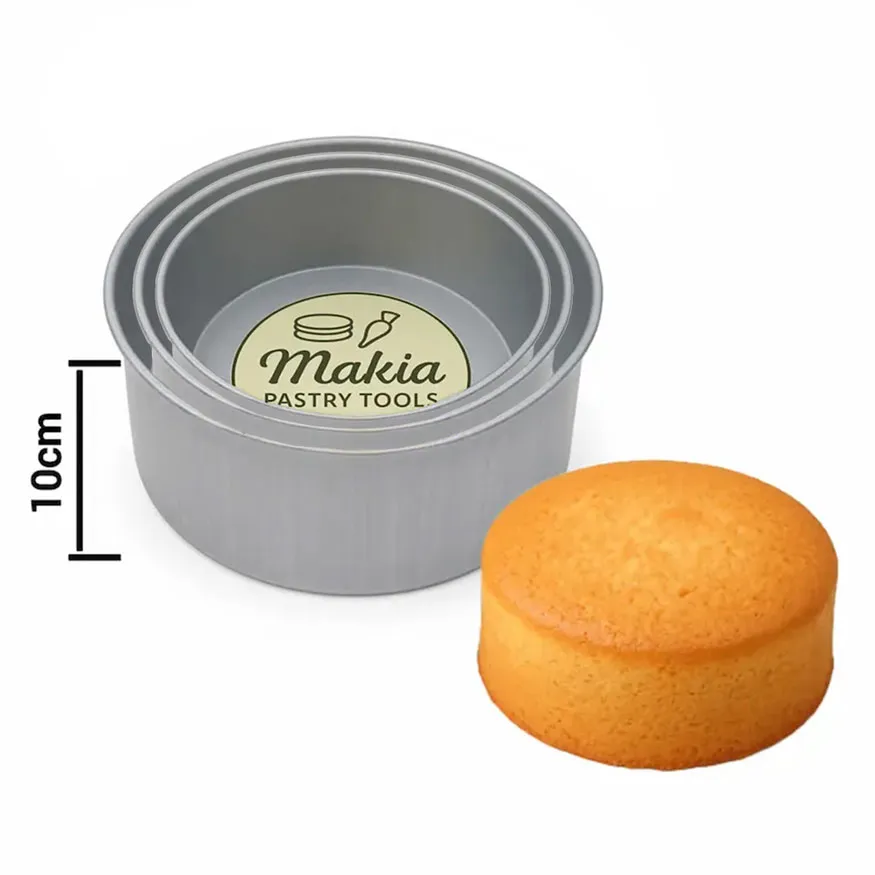
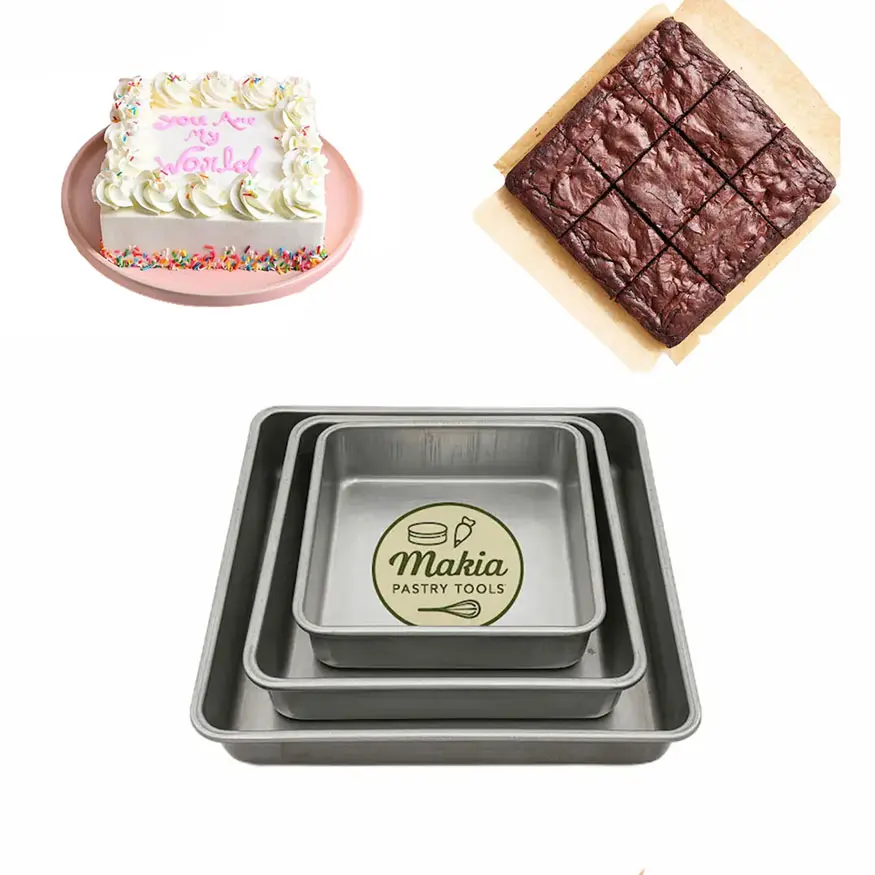
Well-made, heavy-gauge baking trays and appropriately sized cake tins are worthwhile investments for regular production. Aluminium bakeware is popular for its effective heat conduction, while different finishes and materials suit different recipes. For custom cakes, tins with straight sides and consistent dimensions can also make layering, stacking and decorating more straightforward.
The same attention should extend to everyday utensils. Heat-resistant silicone spatulas, sturdy bench scrapers, reliable whisks and well-designed mixing bowls help make repeated preparation more efficient.
Look for comfortable, durable tools that are easy to clean and maintain. Seamless utensils, where suitable, can be particularly practical because they minimise joints and crevices where food residue may accumulate.
Food Storage, Temperature Control and Hygiene Essentials
A well-organised baking business needs more than reliable mixing and baking equipment. Safe storage, appropriate temperature control and effective cleaning procedures are essential for protecting ingredients, maintaining product quality and meeting applicable food safety requirements.
Food Standards Australia New Zealand (FSANZ) requires home-based food businesses to comply with the relevant provisions of the Food Standards Code, including requirements for safe food handling, storage and prevention of contamination.
Start with suitable food-safe storage containers that protect ingredients and finished products from contamination. Clear organisation and labelling help you manage stock, identify ingredients and maintain appropriate separation where allergens or other contamination risks are present. Customer-facing allergen information and date marking must also meet the requirements applicable to your products and how they are sold.
Temperature monitoring is particularly important when working with perishable fillings, cream-based desserts and other potentially hazardous foods. A reliable fridge thermometer can help monitor storage conditions, while an accurate food probe thermometer allows you to check actual food temperatures rather than relying solely on the refrigerator’s display.
Sturdy cooling racks, designated preparation boards, easy-to-clean work surfaces and appropriate food-safe cleaning and sanitising products also support an organised and hygienic kitchen.
Investing in practical storage and hygiene equipment helps you establish reliable working habits from the beginning, giving you greater confidence as you prepare, store and deliver orders to your customers.
Choose Your Equipment Based on What You Plan to Sell
Once your essential baking equipment is in place, your specialist tools should be chosen around the products you intend to sell. A custom cake decorator, biscuit maker and chocolatier may share the same basic kitchen equipment, but their production needs are very different.
Investing in tools suited to your menu can improve consistency, make preparation more efficient and help you create a polished product range that customers recognise and value. The key is choosing equipment that supports the quality and presentation of the products your business is known for.

Custom Cakes and Sugar Flower Decorations
Creating bespoke celebration cakes requires more than reliable cake tins and decorating scrapers. If your menu includes detailed fondant work, handcrafted sugar flowers or elaborate wedding cakes, specialist decorating tools can make a significant difference to your finished designs.
Makia’s coordinated sugar flower cutter and veiner sets allow decorators to cut accurately shaped petals and leaves before adding the fine botanical textures that make floral arrangements look more realistic. Combined with suitable fondant rolling pins, smoothers and modelling tools, they help you create refined decorative elements with greater consistency and control.
Instead of shaping every petal outline entirely by hand, you can use complementary tools to prepare matching floral components and concentrate more attention on shaping, assembling and finishing your designs.
For a home cake business, this means more than attractive decorations. A consistent standard of presentation helps you build a recognisable decorating style and confidently offer detailed, customised cakes to your customers.
Cookies and Biscuits
For a business specialising in decorated cookies, shortbread or biscuits for events, consistent sizing and attractive presentation are important. Customers ordering personalised biscuit boxes, party favours or matching designs expect products that look coordinated and are neatly packaged.
Well-designed cookie and biscuit cutters help you create uniform outlines, repeat shapes across batches and produce cleanly defined designs without cutting every piece individually. Choosing suitable cutter sizes also makes it easier to plan portions, packaging and product presentation.
For decorated biscuits, compatible stamps or embossing tools can introduce personalised messages and decorative patterns, creating opportunities for themed collections and custom orders.
The right cutting tools make preparation more organised, while a suitable dough recipe, consistent rolling thickness and proper chilling help preserve the shapes during baking. Together, these details support a reliable product range that looks appealing from the baking tray to the finished gift box.
Chocolates and Confectionery
If your business focuses on handmade chocolates, filled bonbons or premium gift boxes, mould selection plays an important role in both the appearance and consistency of your products.
Polycarbonate chocolate moulds are widely used for moulded confectionery because their rigid construction and smooth internal surfaces support well-defined shapes and a polished finish. When chocolate is correctly tempered and cooled under suitable conditions, these moulds can help produce glossy shells with clean edges and reliable release.
Makia’s polycarbonate mould collection offers a range of designs for creating coordinated chocolates, from individual bonbons and pralines to decorative chocolate pieces. Consistent cavity shapes and sizes can also make planning assortments, fillings and presentation boxes more straightforward.
Flexible silicone moulds remain useful for selected chocolate creations, particularly when their shape and release characteristics suit the recipe. Choosing between silicone and polycarbonate depends on the products you want to sell and the techniques you intend to use.
For an emerging chocolate business, the right moulds help you develop a distinctive, professionally presented range without relying on complicated hand-shaping for every piece.
Pastries and Individual Desserts
Supplying cafés, preparing catering orders or selling individual dessert boxes demands careful attention to portion size, structure and presentation. Whether your menu includes mousse cakes, entremets, tarts or petit fours, suitable moulds and pastry tools can help you produce coordinated desserts across multiple orders.
Silicone dessert moulds are particularly useful for creating shaped mousses, frozen desserts and other recipes that benefit from flexible unmoulding. Choosing appropriate cavity sizes and designs allows you to plan individual portions and develop a consistent presentation across your collection.
For more structured production, Makia’s specialised mignon and monoportion mould systems offer an additional advantage. Selected sets include matching cutters for preparing biscuit or pastry bases and ejector components to assist with releasing the finished desserts. Working with complementary tools can simplify assembly and help maintain consistent shapes across a batch.
Pastry cutters, rings and frames also support accurate shaping for tart shells, layered desserts and individual pastry components, giving you greater control over both structure and appearance.
With the right equipment, a small home baking business can create refined, display-ready desserts suited to individual orders, café displays and catering collections. These tools support consistent presentation while giving you greater flexibility to expand your product range as demand grows.

How Much Does Home Bakery Equipment Cost in Australia?
There is no single, universal cost for starting a home bakery in Australia. Your initial expenses depend on the equipment you already own, the products you plan to sell and the volume of orders you expect to handle.
A realistic budget helps you avoid unnecessary spending and direct your available funds towards equipment that supports your business from the beginning. The goal is not to build the most expensive kitchen, but to create a reliable setup that can produce the quality your customers expect.
Building a Starter Budget
The most effective way to build your starter budget is to begin with a kitchen audit. Assess the equipment you already own and identify what genuinely needs replacing or upgrading. If your oven performs reliably, your mixing equipment suits your recipes and your baking tins are in good condition, there may be no reason to purchase replacements immediately.
Next, identify the gaps that could affect product quality, preparation or food safety. These might include accurate digital scales, suitable food storage containers, dependable baking trays or the specialist equipment required for your menu, such as biscuit cutters, cake decorating tools or chocolate moulds.
Remember that your startup budget must cover more than baking equipment. Depending on your business and location, you may also need to allow for registration or council-related costs, suitable insurance, ingredients, packaging, utilities and other operating expenses.
Keep equipment purchases separate from your ongoing running costs, and reserve enough funds to fulfil your initial orders without relying on immediate profits.
A good starter budget should give you the equipment to begin producing confidently while leaving room for the everyday expenses of running your business.
Buy Now vs Buy Later
When capital is limited, every purchase involves a trade-off. Spending heavily on equipment you rarely use can leave less money available for ingredients, packaging and tools you depend on every day.
Prioritise purchases that address an immediate production need, replace unreliable equipment or support safe food handling. Smaller upgrades can sometimes provide excellent practical value without requiring a major investment.
For example, Australian hospitality supplier Nisbets lists a Vogue anodised aluminium baking tray measuring 368 × 267 mm at A$21.90 excluding GST. This illustrates how a useful piece of bakeware can represent a relatively modest purchase compared with larger kitchen equipment. Prices vary by model and supplier, so check current pricing and whether GST is included before ordering.
The same principle applies to specialist decorating tools. A coordinated cutter and veiner set may be a worthwhile early investment for a business selling detailed sugar flower cakes, while an edible image printer or airbrush kit may be unnecessary if those techniques are not part of your current menu.
Before buying, ask whether the equipment will help you fulfil existing orders, improve a process you regularly use or create products customers are already requesting.
Choosing equipment around genuine demand helps you protect your budget without compromising the quality of your work.
When Is It Worth Upgrading to Professional Equipment?
Professional equipment becomes worth considering when your existing tools begin limiting your production capacity, slowing preparation or struggling with the demands of regular use.
A dependable hand mixer may be sufficient for a small number of weekly cake orders. However, if you are preparing increasingly large batches of buttercream or dough, a suitably rated stand mixer could make the process more manageable.
Commercial mixers represent a more substantial investment. For example, Australian hospitality supplier Reward Hospitality lists the Birko 7-litre kitchen mixer at A$1,349.69 including GST, while different brands, capacities and specifications can vary considerably in price.
Before upgrading, compare the purchase price with your actual production requirements. Consider mixing capacity, available bench space, maintenance, warranty conditions, expected usage and whether the equipment could reduce interruptions or support additional orders.
The same financial thinking applies to smaller specialist tools. If you regularly prepare individual desserts, suitable multi-cavity moulds may make portioning and repeated preparation more organised. For cake decorators producing detailed floral arrangements, coordinated cutter and veiner sets can reduce the amount of manual cutting and help maintain consistent decorative elements.
An upgrade is most valuable when it solves a genuine business problem. Whether you are considering a commercial mixer, additional baking equipment or specialist moulds from Makia Pastry Tools, invest when the benefits are relevant to your workload and justify the cost.
A well-planned equipment budget allows your home bakery to grow at a pace that suits your customers, your kitchen and your financial goals.
Setting Up a Home Baking Business Legally in Australia
Turning your baking hobby into a recognised business means taking legal and food safety requirements seriously. Compliance is more than an administrative task; it is part of building a trustworthy, professional baking brand.
By understanding your obligations early, you can avoid costly setbacks, prepare your business with confidence and reassure customers that their food is being produced with appropriate care. The key is knowing which registrations, approvals and safety requirements apply to your particular business.
Business Registration and ABN
Before taking regular customer orders, establish how your business will operate and which registrations you need. In Australia, most businesses require an Australian Business Number (ABN), although it is not compulsory for every business. An ABN is free to obtain for eligible businesses through the Australian Business Register.
An ABN helps identify your business when dealing with suppliers, customers and government agencies. It is also relevant to tax administration and other business registrations.
Your ABN and your business name are two separate matters. If you operate as a sole trader under your own first name and surname, you generally do not need to register a separate business name. However, if you trade under a brand such as “Jane’s Custom Cakes”, you will generally need to register that name with the Australian Securities and Investments Commission (ASIC).
You can check name availability and learn how to register through business.gov.au.
Getting these details organised early allows you to present a consistent business identity, manage supplier relationships and build a recognisable brand as your customer base grows.
Council Notification, Approvals and Food Safety
Before selling food prepared in your home kitchen, you must notify the relevant local food regulator, which is usually your local council. Depending on your location and the food you produce, additional registration, licensing or approval requirements may apply.
One common concern among new home bakers is whether they need a separate commercial kitchen. This is not automatically required for every home-based food business. A domestic kitchen may be suitable, provided it meets the relevant food safety and premises requirements and any additional conditions imposed by the responsible authority.
Requirements vary between Australian states, territories and local councils. The types of products you intend to sell also matter. Shelf-stable biscuits and certain baked goods may have different food safety requirements from products containing perishable fillings, fresh cream or other potentially hazardous ingredients.
Food safety training is another area where requirements depend on the business activity. Under Standard 3.2.2A of the Australia New Zealand Food Standards Code, certain food service, catering and retail businesses handling unpackaged, ready-to-eat, potentially hazardous food must meet additional requirements, including having a certified Food Safety Supervisor.
These requirements do not apply identically to every home bakery. All food handlers must have appropriate food safety skills and knowledge, but the need for formal certification and additional management tools depends on the applicable rules and activities.
Before investing in major kitchen modifications or specialist equipment, contact your local council or food regulator to confirm the requirements for your proposed menu.
For national guidance, refer to Food Standards Australia New Zealand’s home-based food business resources.
Kitchen Hygiene, Storage and Allergen Information
Once your business is operating, maintaining food safety becomes part of your everyday production routine. The relevant provisions of the Food Standards Code cover safe food handling, cleaning and sanitising, storage, temperature control and the prevention of contamination.
A well-organised home kitchen makes these responsibilities easier to manage. Keep preparation areas clean, protect ingredients and finished products from contamination, maintain suitable storage temperatures and separate activities or ingredients where cross-contamination could occur.
Allergen management deserves particular attention. Common baking ingredients such as wheat, milk, eggs, peanuts and tree nuts can cause serious reactions in susceptible customers. Maintain accurate recipes and ingredient records, check supplier information and use appropriate procedures to reduce allergen cross-contact.
Australian allergen declaration requirements depend on how food is packaged and sold. Foods that require labelling must meet the applicable ingredient and allergen declaration rules. For foods that are not required to carry a label, prescribed allergen information must still be displayed or made available to customers upon request.
The Food Standards Code also specifies how particular allergens must be named and declared. Taking a consistent approach to hygiene, ingredient records and accurate customer information does more than support compliance. It helps protect your customers, reduces avoidable mistakes and establishes reliable working practices as your home baking business grows.
How to Make Home Bakery Production More Efficient
Moving from baking a single weekend cake to managing multiple customer orders requires a more organised approach to preparation. Efficiency in a home bakery is about making the best use of your equipment, reducing unnecessary manual work and maintaining consistent quality as your order volume grows.
By standardising your processes and planning each stage of production, you can handle more demanding orders with fewer avoidable interruptions, less rework and greater control over your working time.
Standardising Portions and Shapes
Consistent portions are important for professional presentation, accurate pricing and reliable production. When you control the size and quantity of each product, it becomes easier to calculate ingredient costs, plan packaging and maintain a consistent offering for your customers.
Reliable cookie and biscuit cutters help you repeat the same shapes across batches, while appropriately sized pastry rings provide consistent dimensions for tarts and individual pastry components. Combining these tools with even dough thickness and accurate portion measurements also helps produce more predictable baking results.
For modern desserts and layered entremets, Makia’s multi-cavity silicone moulds and specialised monoportion mould systems help create coordinated individual desserts with repeatable shapes and dimensions. Using consistent filling quantities, preferably checked by weight where practical, gives you additional control over portion sizes.
Well-matched moulds and cutting tools can also reduce the need for manual trimming and reshaping, helping you make better use of ingredients and prepare products with a consistent, professional presentation.
Planning Batches and Preparing Multiple Orders
As customer orders become more regular, preparing each product separately can create unnecessary delays. Batch production helps you organise similar tasks together, make better use of your equipment and reduce repeated preparation and cleaning.
Start by reviewing your orders and grouping products that share ingredients, equipment or preparation steps. A simple production schedule can help you calculate ingredient quantities, plan oven use and allocate enough time for cooling, decorating and packing.
Your specialist equipment can make this process more practical. For example, Makia’s coordinated flower cutters and veiners allow you to prepare matching petals and leaves before adding detailed botanical textures. When producing several sugar flower arrangements, organising the cutting, texturing and shaping stages can help maintain a consistent design across multiple decorations.
Because gum paste dries relatively quickly, work in manageable batches and keep unused paste and prepared pieces covered until they are ready for shaping.
The same approach applies to biscuits and pastries. Having sufficient baking trays and cooling racks allows you to prepare upcoming batches while earlier products are baking or cooling, provided your available oven space and food handling procedures support the workflow.
The goal is not simply to work faster. It is to establish a repeatable production routine that supports reliable quality, reduces avoidable interruptions and helps you manage customer deadlines with greater confidence.
Packaging, Transport and Order Preparation
An efficient baking workflow does not end when the decorating is finished. Packaging and delivery are part of the customer experience, and careful preparation helps your products arrive in the condition your customers expect.
Choose appropriately sized, food-suitable packaging that protects delicate decorations and limits movement during transport. Individual desserts and decorated biscuits may benefit from fitted inserts or separate compartments, while larger cakes require stable cake boards, secure placement and suitable structural supports where necessary.
Temperature control is particularly important during Australia’s warmer months. Chocolate decorations may soften or lose their appearance in excessive heat, while cakes and desserts containing perishable fillings can require controlled refrigeration during transport.
For potentially hazardous foods that must remain chilled, use suitable temperature-controlled transport arrangements and monitor conditions to maintain safe temperatures. Food Standards Australia New Zealand generally requires these foods to be kept at 5°C or colder during transport, unless an appropriate, validated alternative time-and-temperature control method is used.
Insulated containers and ice bricks can help, but the transport method should be suitable for the particular product and delivery conditions.
You can also make order preparation more efficient by keeping packaging supplies organised, selecting practical standard box sizes and assembling suitable boxes before busy production periods. Check each order against its product details, quantity, packaging needs and delivery arrangements before dispatch.
A reliable handover process protects the quality of your work, supports customer confidence and gives your home baking business a more organised, professional approach to fulfilling orders.
Common Equipment Mistakes When Starting a Home Bakery
Common Equipment Mistakes When Starting a Home Bakery
Even with a carefully planned budget, it is easy to make purchasing errors when transitioning from a hobbyist to a business owner. Many beginners fall into the same traps, tying up their startup capital in tools that offer little practical return. Avoiding these common mistakes helps you build a more functional, profitable workspace right from the start.
1. Upgrading to Heavy Commercial Appliances Too Soon
While a massive 20-litre planetary mixer or a freestanding commercial dough sheeter might look impressive, they require significant upfront capital and take up valuable bench space. The smart approach: Unless you already have guaranteed high-volume orders, it is financially safer to begin with reliable domestic or light-commercial equipment. Upgrade your major appliances only when your actual order volume creates a physical bottleneck in your kitchen.
2. Ignoring Domestic Spatial Limitations
Professional baking trays, large cooling racks, and commercial cake tins are excellent for batch production—but only if they actually fit inside your domestic oven, refrigerator, and sink. Standard commercial catering sizes often differ significantly from home kitchen layouts. The smart approach: Always measure your internal appliance dimensions before ordering bakeware. Buying equipment that prevents the oven door from closing or does not fit on your fridge shelves is a frustrating and costly mistake.
3. Wasting Budget on Single-Use Novelty Gadgets
Buying a highly specific, trendy mould for one single custom order quickly clutters your kitchen drawers and drains your startup funds. The smart approach: Focus on versatile, foundational equipment. A high-quality set of coordinated cutters and veiners, or a reliable selection of multi-cavity silicone and polycarbonate moulds from Makia, can be adapted for countless different designs and occasions, offering a much higher return on investment.
4. Sacrificing Quality for Quantity
Purchasing cheap, thin baking trays or flimsy plastic cutters to save money upfront is a trap that ultimately costs more. Poor-quality tools usually lead to warped tins, uneven baking, and frayed fondant edges. The smart approach: Invest in fewer, heavy-duty items. Commercial-grade equipment survives the daily demands of a baking workflow, protecting the consistency of your products and the reputation of your business.
Home Baking Business Equipment FAQs
Can I use my domestic oven to start a home baking business?
Yes, a domestic oven may be suitable for starting a home baking business, provided it can handle your recipes and order volume reliably and your kitchen meets the requirements applicable to your food business. An independent oven thermometer can help you check temperature accuracy, while test batches across different tray positions can reveal uneven baking. You may not need to invest in a commercial oven immediately.
Do I need to buy a commercial stand mixer right away?
No. A dependable domestic stand mixer or suitable hand mixer may be sufficient for your initial orders. The best choice depends on your recipes, batch sizes and how frequently you bake. Consider upgrading when your current mixer struggles with regular workloads, cannot handle the quantities you need or creates repeated delays in preparation. Choose a machine with the capacity and specifications suited to your products.
How much should I budget for new home bakery equipment?
There is no fixed startup equipment budget for every home bakery. Begin by reviewing the oven, mixer, bakeware and utensils you already own, then identify the essential gaps for your planned menu. Allow for suitable storage, packaging and specialist tools where needed. Remember to budget separately for ingredients, operating expenses, insurance and any applicable business registration or council-related costs, rather than spending all your available funds on equipment.
Are all home baking businesses in Australia required to have a commercial kitchen?
No. A separate commercial kitchen is not universally required for home baking businesses in Australia. Some food businesses can operate from domestic kitchens that meet the relevant food safety and premises requirements. However, suitability depends on your location, food products and business activities. You must notify the relevant food regulator before starting, and additional approvals or licences may be required. Check with your local council or responsible authority before trading.
Which specialist decorating tools should I buy first?
Start with tools that directly support the products you plan to sell. For custom cakes and realistic sugar flowers, coordinated cutter and veiner sets can help create consistent decorative details. For decorated biscuits, prioritise suitable cookie cutters and, where relevant, stamps or embossers. If you specialise in chocolates or individual desserts, appropriate moulds may be more valuable. Choose equipment that supports your regular menu before investing in tools for occasional designs.
How do I know when it is time to upgrade my baking equipment?
Consider upgrading when your existing equipment regularly limits production, causes avoidable delays or no longer meets your quality and capacity requirements. For example, additional baking trays may improve batch preparation, while multi-cavity dessert moulds can help produce coordinated individual portions. Before investing, compare the cost with how frequently you will use the tool, the time or effort it could save and whether it addresses a genuine business need.
Explore Baking and Pastry Tools at Makia
Build a baking toolkit that suits the products you want to sell with Makia Pastry Tools. Explore our range of baking and pastry cutters, coordinated sugar flower cutter and veiner sets, polycarbonate chocolate moulds, flexible silicone dessert moulds, and specialised mignon and monoportion systems.
Whether you are preparing your first customer orders or expanding an established home bakery, choosing the right specialist tools can help you maintain consistent presentation, organise preparation and develop a product range that reflects your business. Explore Makia’s baking, pastry and cake decorating collections and find the equipment that fits your menu, your workflow and your next stage of growth.